
Brick Books → Guides → Reports and End of Financial Year
The pack for your accountant, what is in it, and the short list to work through before you send it.
At the end of your business year, Brick Books produces one spreadsheet containing the figures and supporting detail your accountant is likely to need, plus a zip of your receipts named so each one ties back to the entry it belongs to.
This is a clean set of books prepared in a form an accountant can work from.
It is not a tax return. Brick Books does not decide what you owe, what you can claim, or which rules apply to you.
Those rules vary too much between countries and circumstances for Brick Books to pretend otherwise.
Make sure the final orders for the year have made it into your books.
This is one of the things most likely to materially change your profit figure. See the stocktake guide if you have not done it yet.
If Brick Books can see stock purchases but no closing stocktake, the year-end pack will say so clearly rather than quietly presenting the figures as complete.
Anything marked CHECK ME needs your attention. Review those entries and correct or confirm anything that needs it.
Run it once before generating the final pack. It catches structural problems, suspicious dates, missing stocktakes and other things worth finding before somebody else does.
Open Reports & End of Financial Year, choose the year, and generate the pack.
Brick Books creates a folder containing the spreadsheet and a zip of the receipts for that year.
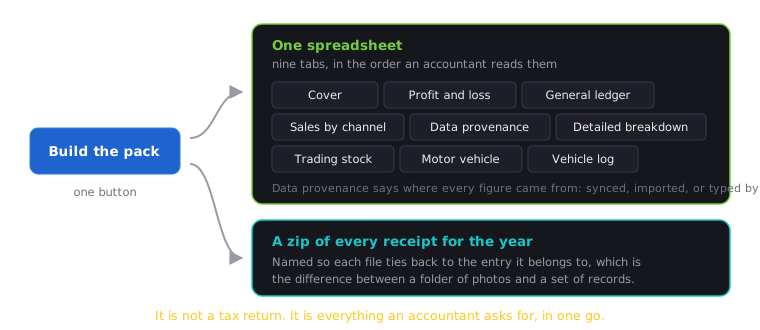
The pack includes:
The cover sheet says what has not been done just as clearly as what has.
One of the first things an accountant needs to understand is how the books were put together, what has already been checked, and where there may still be gaps.
Putting that information up front means they can spend less time working out what they have been handed and more time actually working with it.
Send your accountant the spreadsheet, along with the receipts zip if they want the supporting documents.
The receipt filenames tie back to the entries in the ledger, so if they want to inspect a particular purchase, they can find the corresponding document without asking you to hunt for it.
What happens after that is between you and your accountant.
Brick Books gets your books organised, checked and ready to hand over.